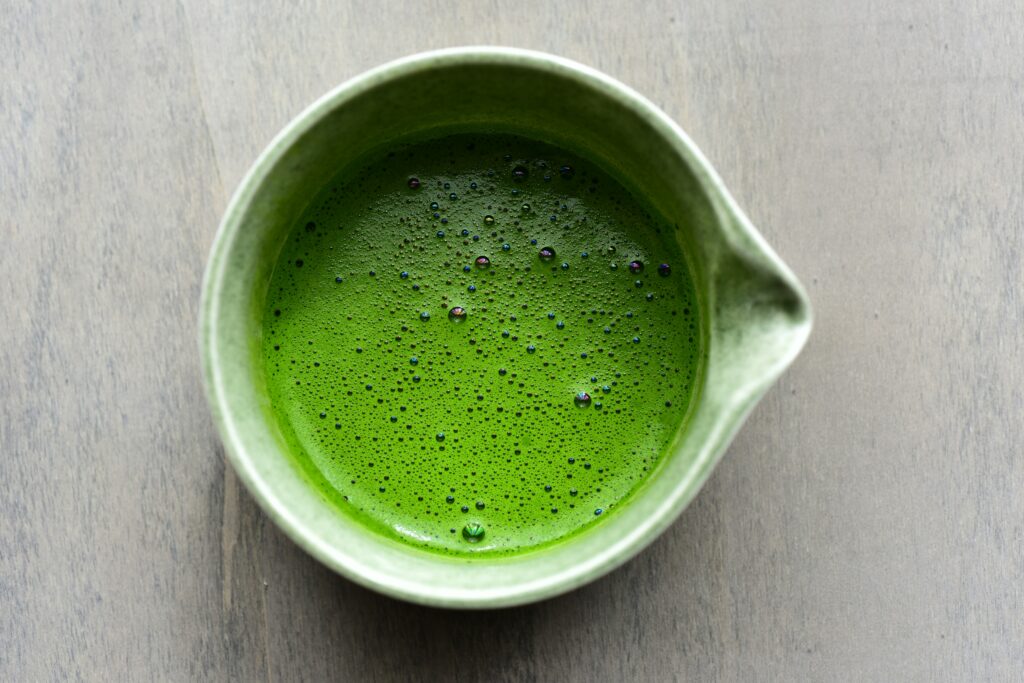
Can you eat vegan in Japan? Yes, and often really well, as long as you prepare a little. The biggest hurdle is dashi, a fish-based stock that turns up in plenty of dishes that look vegan. Tokyo is the easiest city because almost every neighborhood has a good place, while smaller towns need more planning.
This page is about how to eat vegan in Japan, based on several trips, the first ones with my travel partner and later ones on my own too. Each section links to a longer guide if you want the details.
Is Japan vegan friendly?
On paper Japan looks perfect for plant-based travelers. Fresh vegetables everywhere, tofu in more forms than I knew existed, onigiri, edamame, mochi. Supermarkets are full of things that look vegan, and the konbini (the small 24-hour shops that are half supermarket, half snack bar and somehow the center of every neighborhood) seem to stock everything.
Then you pick something up and try to read the ingredient list. Japanese uses three writing systems, and if you can’t read them, the label is a wall of characters. Something as obvious as skim milk powder hides in there and you would never know.
So is Japan vegan friendly? I wouldn’t call it the easiest country for it, but it’s one of the most rewarding, and with some preparation you eat very well.
The biggest trap: dashi and hidden ingredients
Dashi is the stock most Japanese cooking starts with, usually kombu seaweed plus katsuobushi, which are dried bonito flakes. It goes into miso soup, sauces, noodle broths and a lot of packaged food, where the label often just says “seasoning”. It caught me more than once.
There is a plant-based version made from kombu and shiitake, and that’s the one vegan restaurants and temple kitchens use.
Roughly how common dishes look:
| Dish | Usually vegan? | What to watch for |
|---|---|---|
| Miso soup | Rarely | Almost always made with bonito dashi |
| Udon and soba | Rarely | The broth is usually based on bonito dashi |
| Ramen | Rarely | Pork, chicken or fish broth, so look for vegan shops |
| Tofu dishes | Rarely | Often topped with bonito flakes or served in dashi sauce |
| Tempura | Rarely | Batter often contains egg, oil is shared with fish |
| Inari sushi | Sometimes | The tofu pouch is often simmered in dashi |
| Onigiri | Sometimes | Umeboshi or kombu are often vegan, tuna and salmon are not, check the label |
| Mochi and daifuku | Mostly | Exceptions are ice cream, milk and custard mochi, see Is mochi vegan? |
| Edamame | Yes | Usually just salted |
In shops, a handful of words already helps a lot: 乳 (milk), 卵 (egg), 肉 (meat) and かつおぶし (bonito flakes). If one of them is on the label, put it back. The other important kanji are in my guide on how to read Japanese food labels.
Where to eat vegan in Japan
Tokyo is the easiest. It’s the one city where I’d happily go out without a plan, because nearly every neighborhood has something. Kyoto works too, but you have to plan more, and you get more traditional food in return. I only spent a short time in Osaka; it’s big enough that I’d still call it relatively easy. The destinations page compares the three in a table.
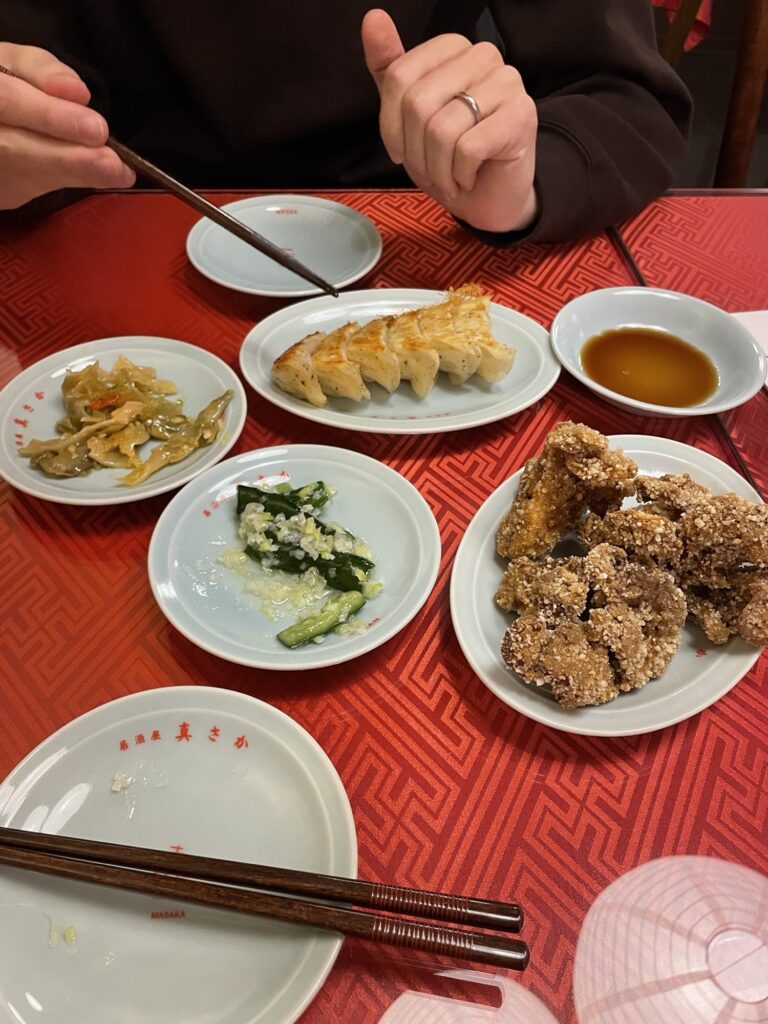
The guides I would start with:
- Vegan Tokyo, with every neighborhood and place on one page
- Izakaya Masaka, the vegan izakaya in Shibuya and Kyoto
- Vegan ramen at Jangara in Harajuku
- Vegan restaurants in Asakusa for a full day of eating
- Vegan restaurants in Kyoto and in Osaka
Fukuoka already has its own guide: vegan restaurants in Fukuoka. I’ve also been to Kanazawa, Matsumoto and a few other regions, and those articles are still coming. Until then, HappyCow and Vegewel fill the gaps (more on them below).
Vegan at the konbini and supermarket
When there’s no restaurant around, a konbini will feed you. Natural Lawson is the best chain for vegans, but you’ll only find it in Tokyo, Kanagawa, Saitama and Chiba. 7-Eleven, FamilyMart and regular Lawson have safe products too once you know what to look for, and my vegan konbini guide lists them by chain.

If you remember one label, make it 動物性原材料不使用, “no animal-derived ingredients”. Products carrying it are the safest thing on the shelf.
Getting understood: vegan in Japanese
Plenty of people in Japan don’t know the word “vegan”, especially in small traditional restaurants. These three sentences go a long way:
| Japanese | Pronunciation | Meaning |
|---|---|---|
| 私はビーガンです | Watashi wa biigan desu | I am vegan |
| 肉も魚も卵も乳製品も食べません | Niku mo sakana mo tamago mo nyuuseihin mo tabemasen | I don’t eat meat, fish, eggs or dairy |
| 動物性の成分は入っていますか? | Doubutsusei no seibun wa haitte imasu ka? | Does this contain animal ingredients? |
The full list for ordering, asking and paying is in vegan Japanese phrases. For shops there are the Japanese konbini phrases, and for wherever you’re staying the Japanese hotel phrases.
Shojin ryori: Japan’s vegan tradition
Japan also has its own vegan cuisine, and it’s centuries old: shojin ryori, the food of Buddhist temples. It uses no meat, fish, eggs or dairy, and the dashi comes from kombu and shiitake.
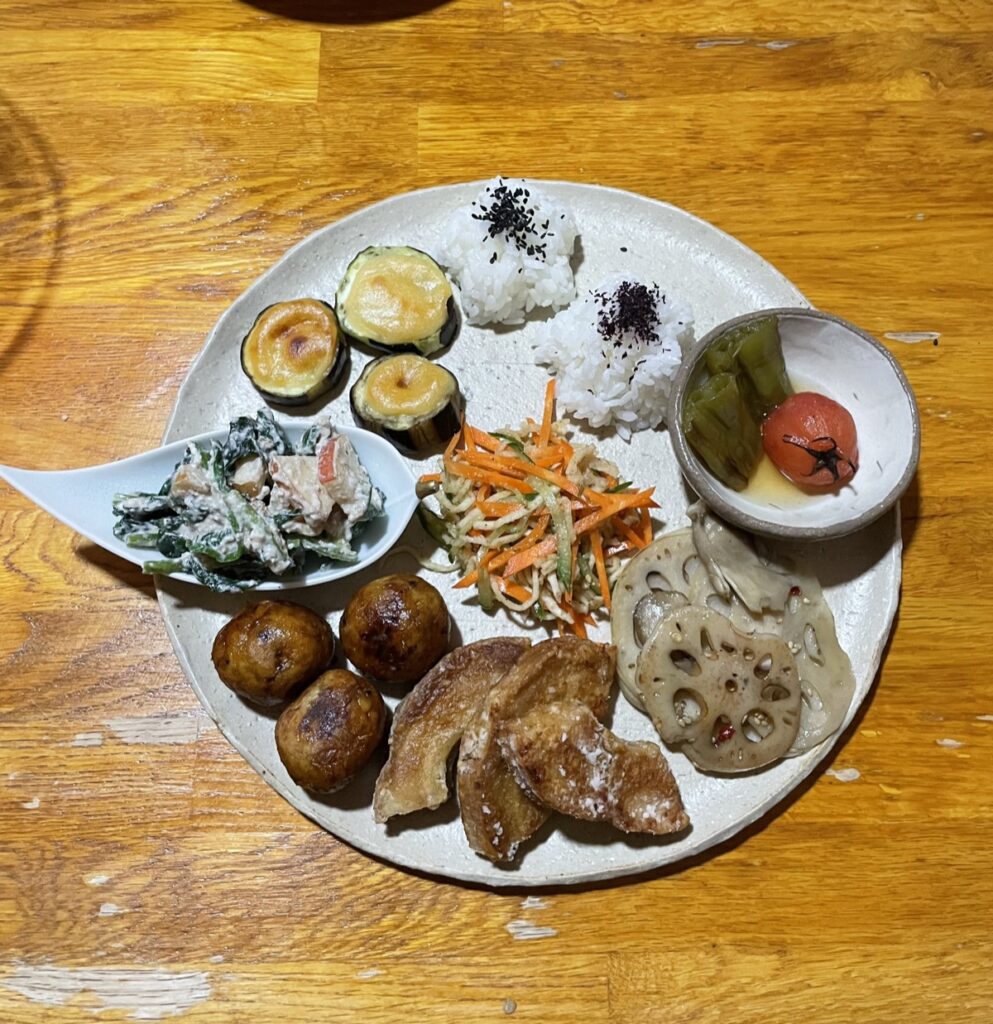
I wrote about an evening in a Kyoto temple kitchen in shojin ryori vegan. If you’d rather cook ramen yourself, our Tokyo class is in vegan ramen broth.
Apps and tools that help
HappyCow works in Japan, though some listings are patchy. Vegewel is a Japanese site that knows a lot of local places HappyCow doesn’t. Google Lens translates ingredient lists from a photo, which is usually good enough for a first check.
Sometimes it gives you nonsense, because the print is tiny or the shop lighting is bad, and you end up standing in the aisle with a snack in your hand, going on gut feeling. That happens to me too. Offline maps with my saved places are planned, but they aren’t ready yet.
Planning the trip
For the route, my 15-day vegan Japan itinerary connects Tokyo, Kyoto and Osaka with restaurants I know personally. Whether a JR Pass pays off depends on that route, and the JR Pass guide does the maths. Sort out mobile data before you land, because without it you have no maps and no translation app. My picks are in eSIM vs pocket WiFi.
What I still get wrong
I don’t know everything, and I’d rather say that up front.
I’ve been to Japan several times and still fell into a few traps. I ate things I later found out weren’t vegan, sometimes because I didn’t know better, sometimes because communication broke down, and sometimes because I was hungry and hoped it would be fine. Spoiler: it wasn’t always.
Traveling vegan in Japan is something you learn as you go. This blog should make that easier, but it won’t make you perfect, and I’m not either.
FAQ
Can you eat vegan in Japan?
You can. Tokyo and Kyoto have lots of vegan restaurants, and every konbini has a few safe snacks. Traditional restaurants and small towns are harder, because fish-based dashi is in so much of the food.
Is miso soup vegan?
Usually not, since the broth is almost always dashi made with bonito flakes. You’ll get vegan miso soup in vegan restaurants, in temple cuisine, or anywhere that uses kombu dashi.
How do you say vegan in Japanese?
Vegan is ビーガン (biigan), and “I am vegan” is 私はビーガンです (watashi wa biigan desu). Not everyone knows the word, so it helps to add what you don’t eat.
How do I find vegan restaurants in Japan?
HappyCow and Vegewel, plus my guides for the cities I know. The destinations page sorts all of them by region.
Which city in Japan is easiest for vegans?
Tokyo, in my experience, because you’ll find something even without a plan. The destinations page has the full comparison with Kyoto and Osaka.
How to eat vegan in Japan: in short
After several trips, it comes down to three things for me: know about dashi, keep a few phrases on your phone, and know where the good places are. Do that, and you’ll eat well in Japan. This blog is here to help with all three.