Vegan Kyoto is easier than most people expect, but it rewards a bit of planning. Many of the best places are small, and some close as soon as they sell out. Kyoto is also the home of shojin ryori, Buddhist temple cuisine that is plant-based by nature. I have collected everything I have written about Kyoto here. Every restaurant in my Kyoto list is one I have eaten at myself, and anything I have only been recommended is marked as such in the articles.
Vegan Kyoto guides: which one fits you?
| Guide | Best for | Highlights | Link |
|---|---|---|---|
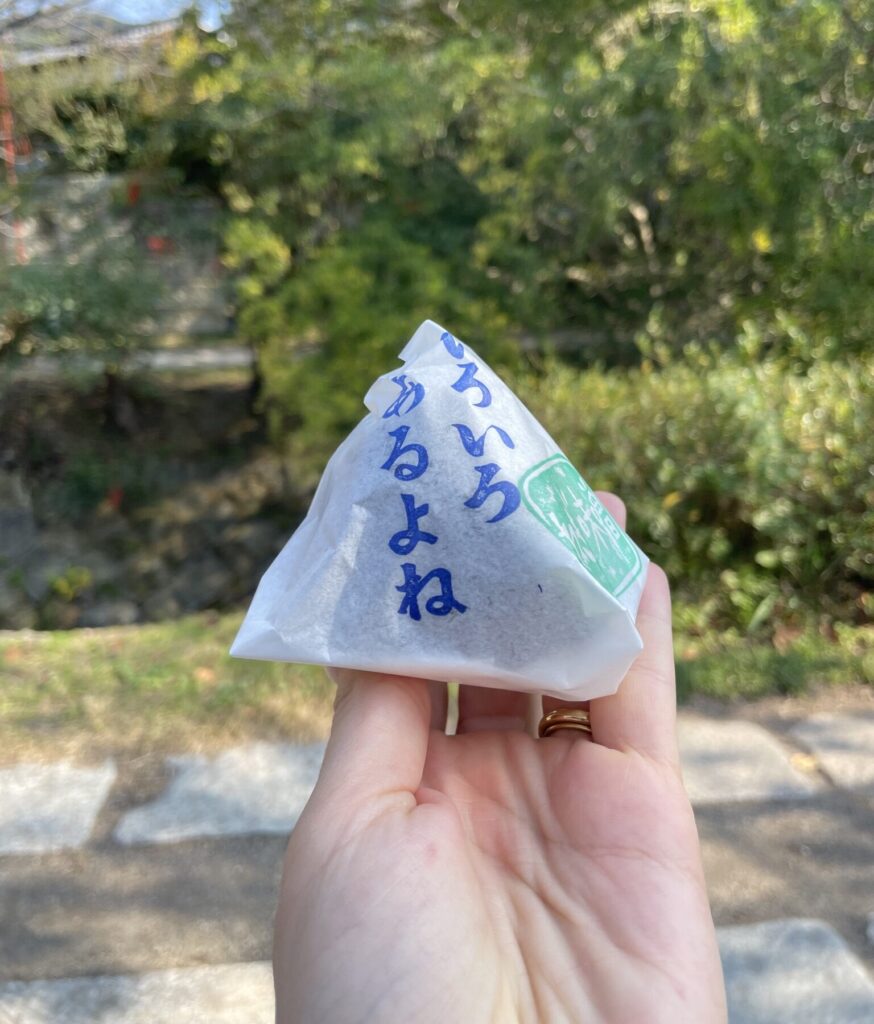
| Restaurants | Eating well all over the city | Soy milk ramen in Gion, vegan yakitori at Nijiya, Masaka in a townhouse, onigiri for the Philosopher’s Path | Vegan restaurants Kyoto |
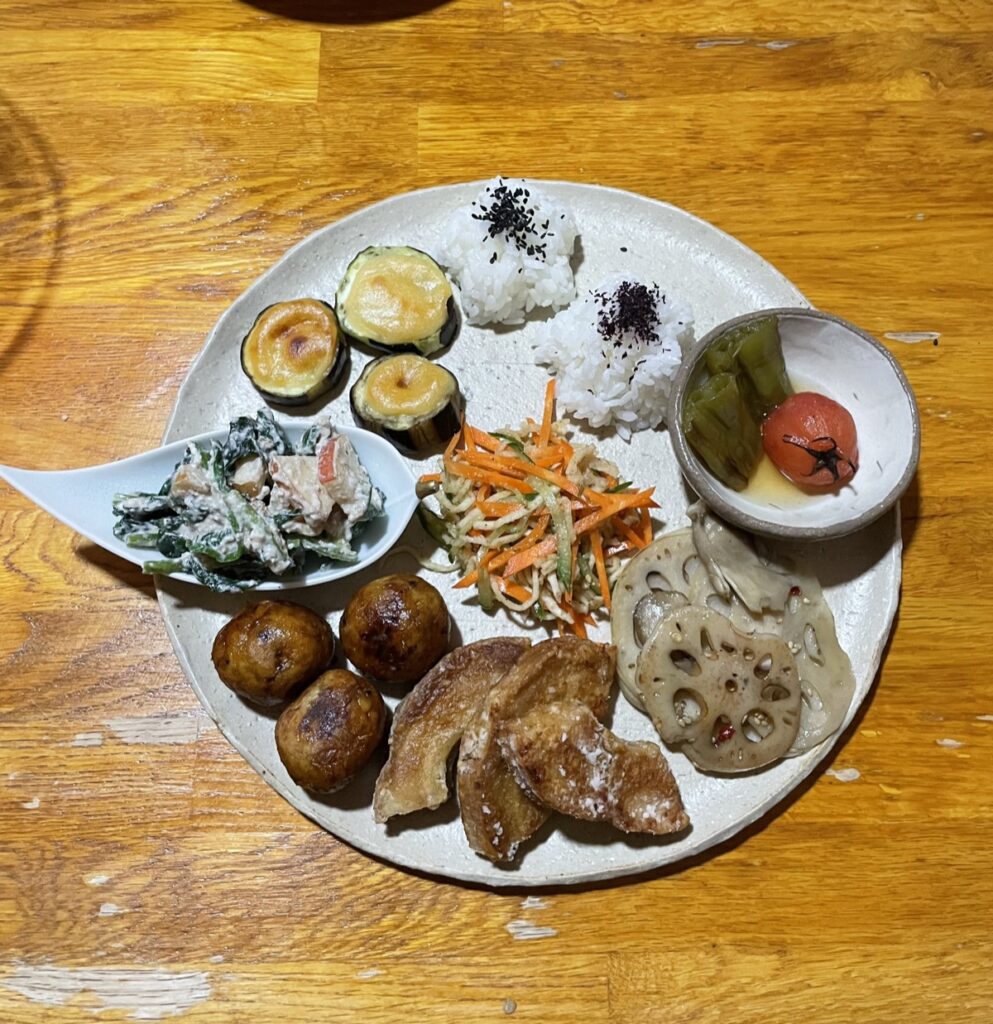
| Shojin ryori | Understanding temple food, or cooking it yourself | A cooking class in a small Kyoto kitchen, what makes temple food vegan | Shojin ryori guide |
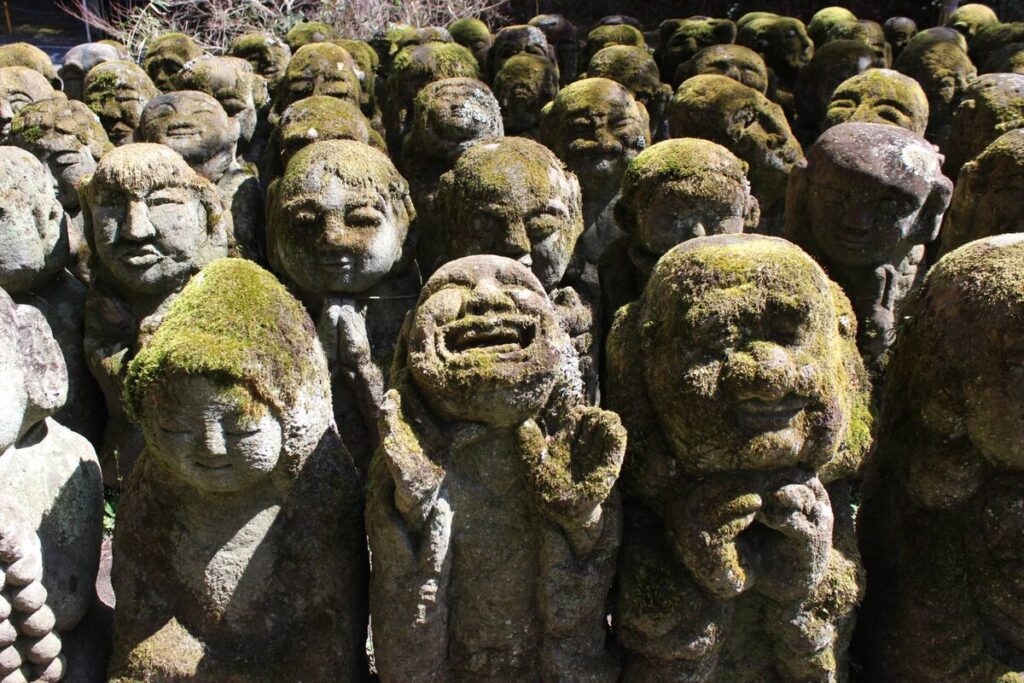
| Arashiyama | A day in west Kyoto | The quiet bamboo path, Otagi Nenbutsu-ji, an honest take on the Sagano Romantic Train, temple food at Shigetsu | Arashiyama guide |
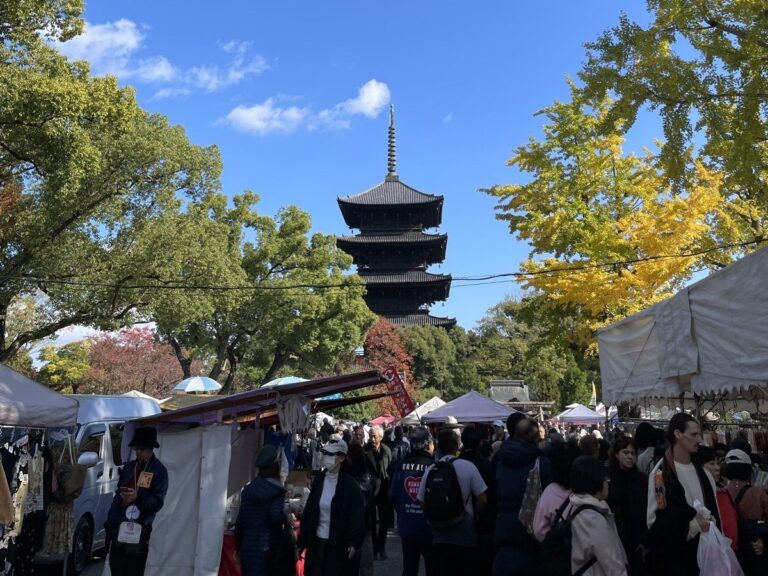
| Flea markets | Planning your days around market dates | Dates of all eight regular markets, Kobo-san at Toji, Tenjin-san at Kitano Tenmangu, the quiet handicraft market at Kamigamo | Kyoto flea market guide |
Where to start
- Only one evening in Kyoto? Masaka Kyoto is fully vegan, so you can order anything without asking.
- For ramen, go to Uno Yukiko in Gion, a little before the lunch rush.
- Nothing is more typical of Kyoto than shojin ryori. I learned to cook it in a class, and Shigetsu at Tenryu-ji serves it in Arashiyama.
- For a full day outside the centre, go to Arashiyama early in the morning and walk through Saga-Toriimoto to Otagi Nenbutsu-ji.
- Breakfast is easiest at TORIBA COFFEE KYOTO, with a vegan egg sando.
- In Kyoto on the 21st or the 25th? Go to Kobo-san at Toji or Tenjin-san at Kitano Tenmangu, the two big flea markets. All dates are in my Kyoto flea market guide.
What to know before you go
- Kyoto is the city of traditional food, and classic Japanese restaurants almost always use fish-based dashi. Choosing vegan places on purpose saves a lot of explaining. More on that in how to eat vegan in Japan.
- Many vegan spots are tiny. Nijiya has six seats and a waitlist, Ao Onigiri closes when the onigiri are gone, and the popular places already have a queue at lunchtime.
- Shojin ryori at temple restaurants usually needs a reservation a few days ahead. Shigetsu in Arashiyama asks for two to three days.
- Kyoto’s famous sights are very crowded. Going early in the morning or in the evening makes a big difference.
- You will visit a lot of temples and shrines. My temple etiquette guide covers the basic rules.
All Kyoto guides
Kyoto Flea Market Guide: 8 Best Markets and When to Go
A Kyoto flea market guide with dates for all eight regular markets, plus what we found at Kobo-san, Tenjin-san and the Kamigamo handicraft market.
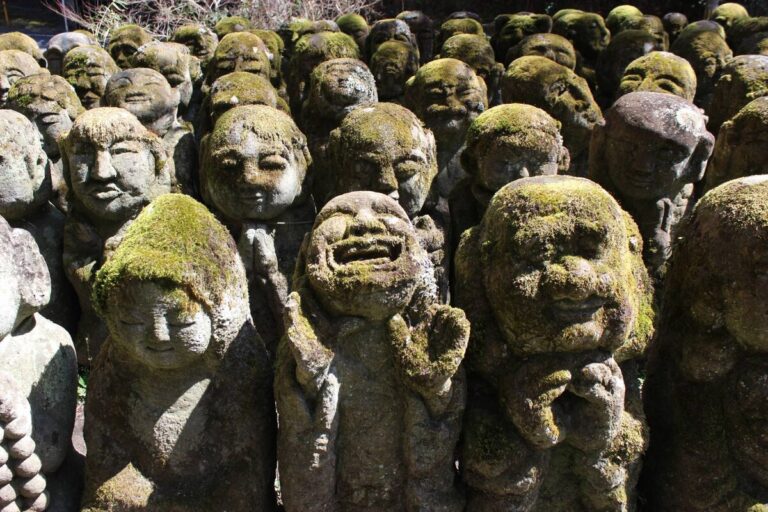
Things to Do in Arashiyama: 9 Spots and My Honest Verdict
Things to do in Arashiyama, honestly rated: a quiet bamboo path, 1,200 moss-covered statues, the Sagano Romantic Train and vegan temple food in Kyoto.
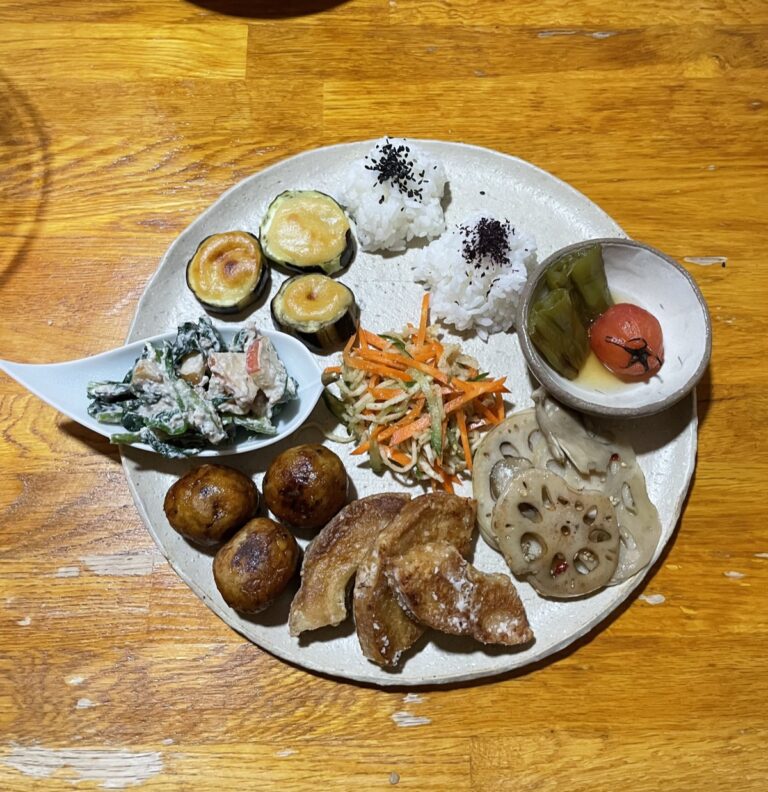
Shojin Ryori Vegan: What I Learned in a Kyoto Kitchen
I booked a vegan cooking class in Kyoto and discovered shojin ryori: 700-year-old Buddhist temple cuisine that changed how I think about food.
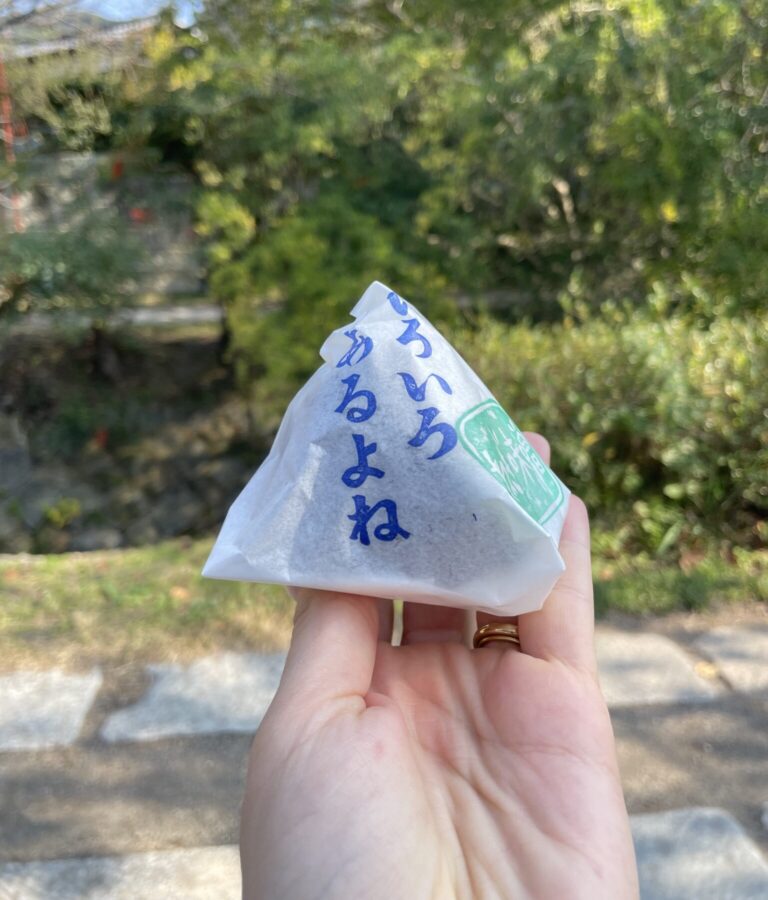
Vegan Restaurants Kyoto: 10 Places Worth the Trip
Vegan restaurants Kyoto: from a ten-seat book cafe to ramen in Gion and yakitori with a waitlist. Ten places worth finding.
Practical tips for Kyoto
- Which snacks are safe at which konbini chain is in the vegan konbini guide.
- For restaurants there are the vegan Japanese phrases, from “I’m vegan” to asking for the check.
- At the supermarket it helps to know how to read Japanese food labels.
- Whether the JR Pass is worth it is in the JR Pass guide, and mobile data in eSIM vs pocket WiFi.
- For places I have not tried myself, the HappyCow Kyoto page is a good starting point.
Day trips from Kyoto
My vegan Japan itinerary has five nights in Kyoto, with a day trip to Uji. Uji has little vegan food beyond sweets, so pack something in Kyoto first. The vegan restaurants in Osaka are an easy day trip away too.
FAQ
Is Kyoto good for vegans?
Yes. Vegan Kyoto has fully vegan ramen, yakitori, izakaya plates, bento and onigiri, plus temple food with a long plant-based tradition. It needs a little more planning than Tokyo, because many places are small. My ten favourite places are in the guide to vegan restaurants in Kyoto.
Where can I eat shojin ryori in Kyoto?
Temple restaurants like Shigetsu at Tenryu-ji in Arashiyama serve it, with a reservation. If you would rather learn to cook it, my shojin ryori guide is about the class I took in Kyoto.
Do I need reservations in Kyoto?
For most places, no, but timing matters. Nijiya runs a waitlist and Ao Onigiri closes when sold out. Temple restaurants for shojin ryori do need a reservation.
Are there flea markets in Kyoto?
Yes, almost every week, most of them on temple or shrine grounds. The two biggest are Kobo-san at Toji on the 21st and Tenjin-san at Kitano Tenmangu on the 25th. My Kyoto flea market guide lists all eight regular markets with dates and times.
Is Kyoto or Tokyo better for vegans?
Tokyo is easier, because it even works without a plan. Kyoto takes more preparation but has more traditional food. My comparison of the best vegan cities in Japan goes into more detail.