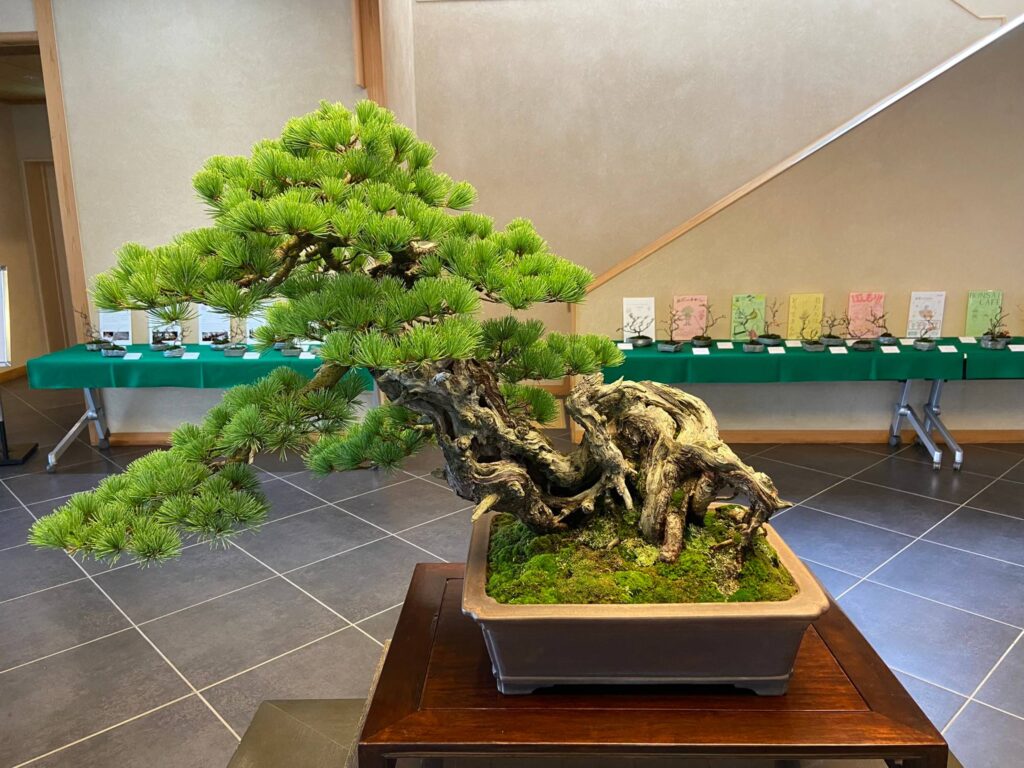
I took far too many photos at the Omiya Bonsai Village. This guide covers the village and its museum in Saitama, just north of Tokyo, and the Shunkaen Bonsai Museum in Tokyo, where I styled my first own bonsai: a Japanese juniper, cut, wired and with its bark worked on, in about an hour.
I went to Omiya in 2024 with a friend and did the class at Shunkaen alone. Below: how to get to both, some background, where to buy tools, and what did not work out on my day in the village.
In this guide
What Is the Omiya Bonsai Village?
Many of Tokyo’s bonsai growers used to work around Dangozaka in today’s Bunkyo ward. After the Great Kanto Earthquake in 1923, a group of them moved north to Omiya, where there was more space and better soil and water for their trees. The village was founded in 1925.
Before the Second World War there were around 30 nurseries here. During the war, bonsai counted as a luxury and most of them had to close. Today only a handful remain, somewhere between six and ten depending on the source. It is a normal residential area: houses, quiet streets, and in between gardens full of pines and maples behind hedges and gates.
Every year from May 3 to 5, the village holds its big bonsai festival (Daibonsai Matsuri). Growers and collectors come from all over Japan, and there are stalls with trees, pots and tools. If your trip falls into Golden Week anyway, that is the time to go. Expect crowds.
The Omiya Bonsai Art Museum
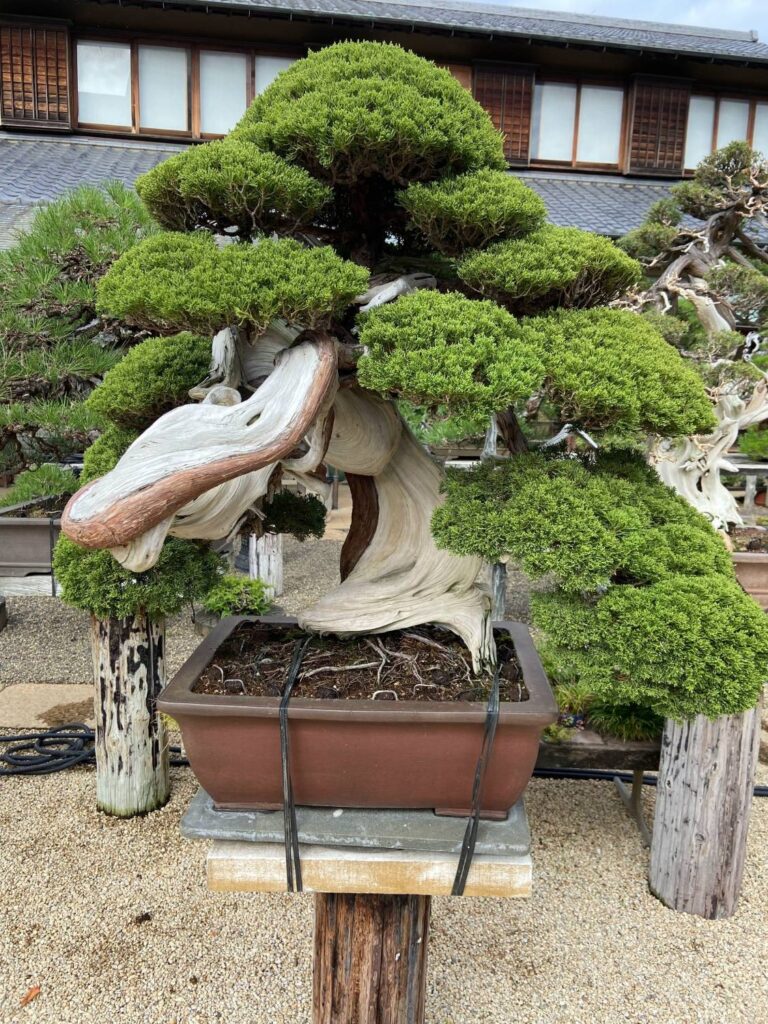
The Omiya Bonsai Art Museum opened in 2010 and is run by Saitama City. It was the main reason for the trip. Some of the trees are several hundred years old. What I took away most was how many kinds of bonsai there are: pines with twisted trunks, junipers with white deadwood, maples, azaleas, tiny trees in pots smaller than a teacup.
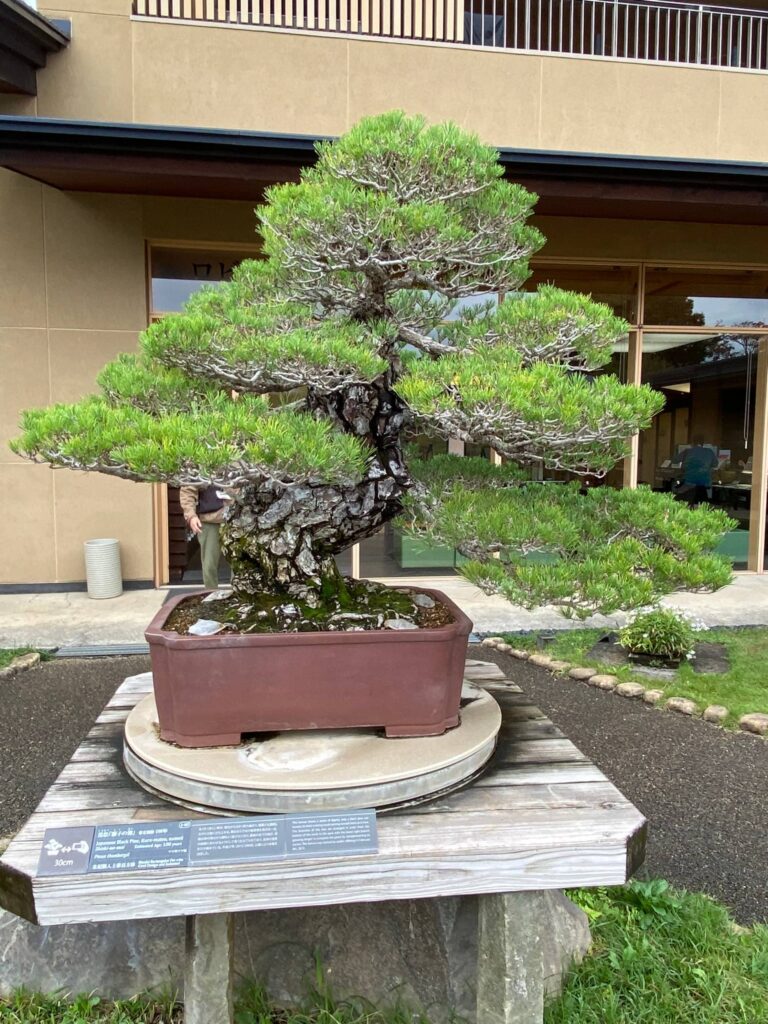
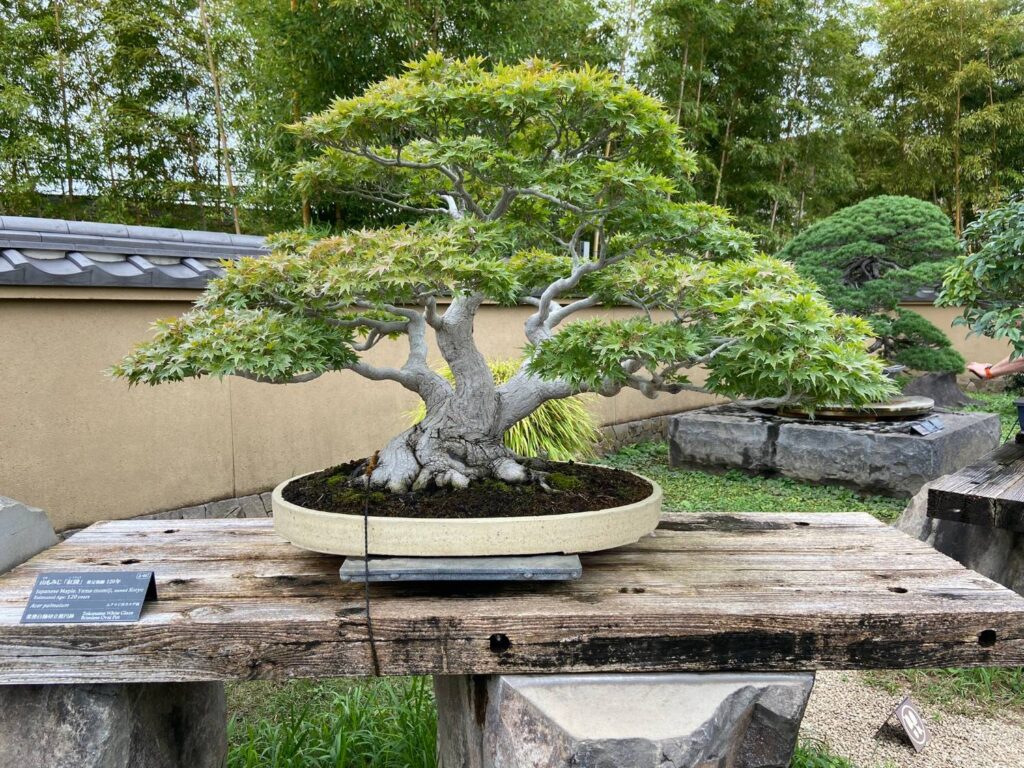
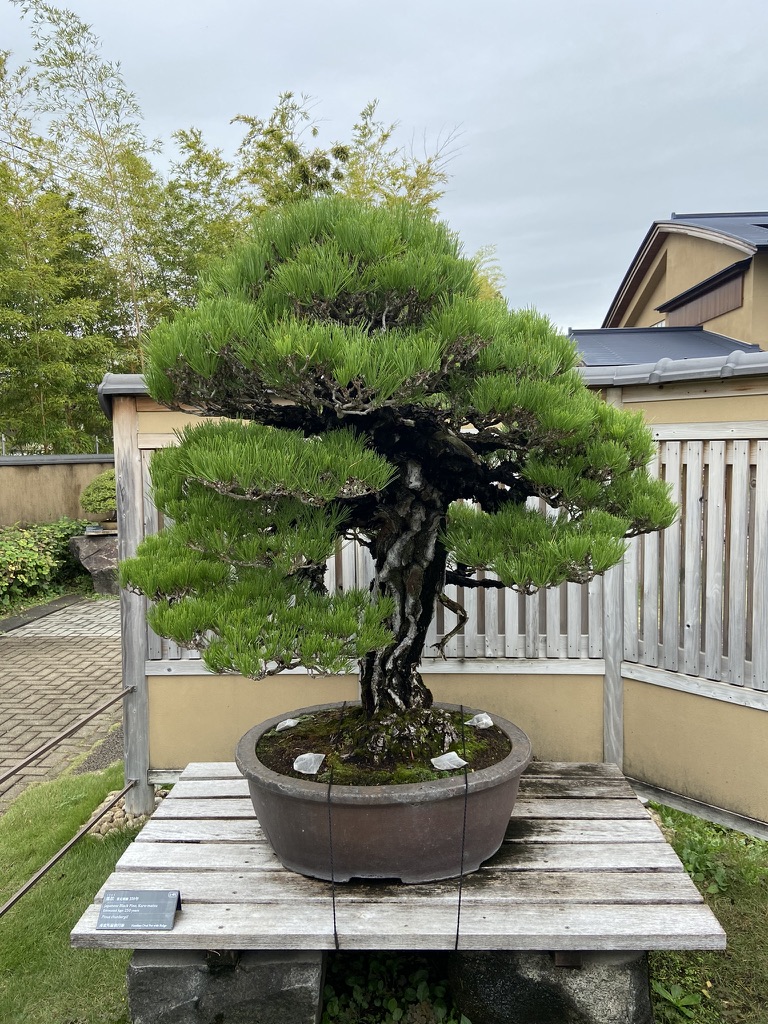
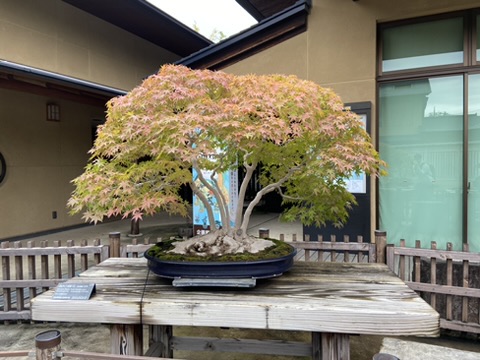
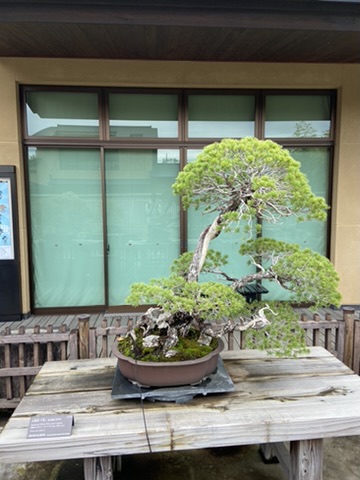
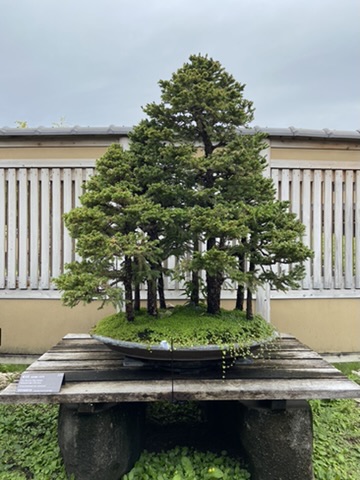
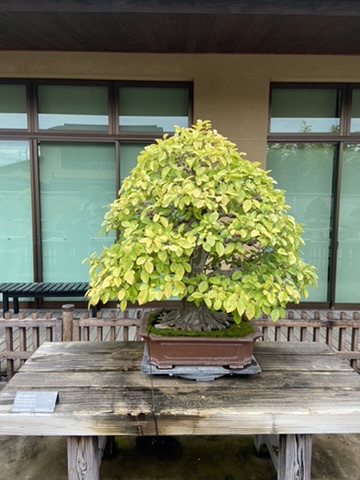
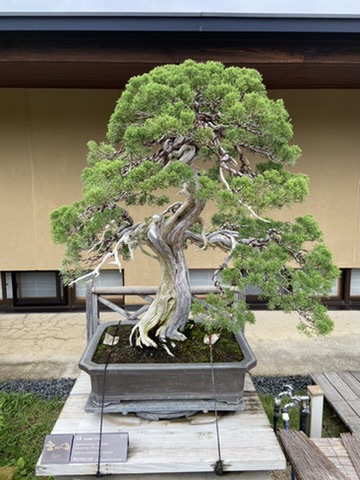
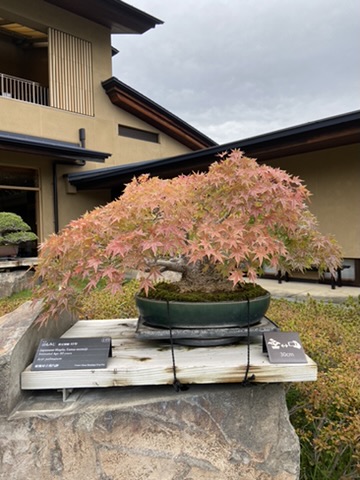
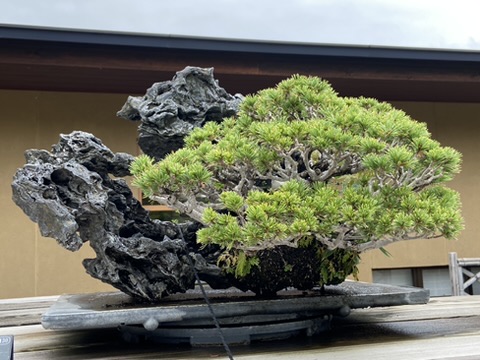
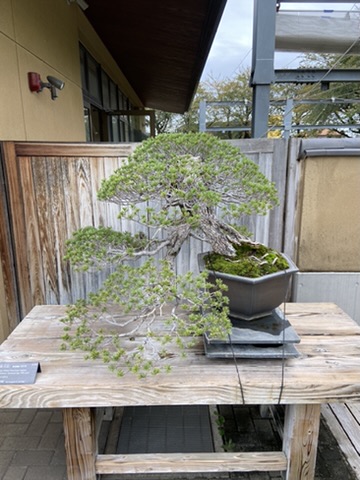
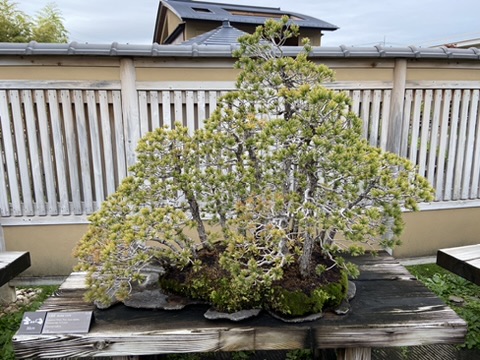
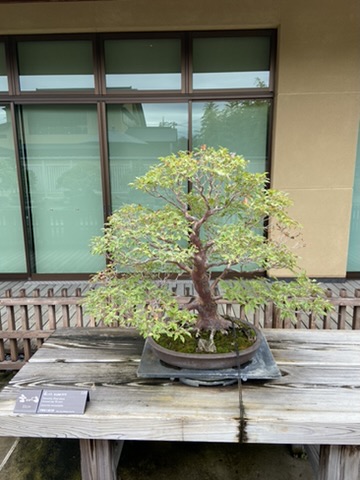
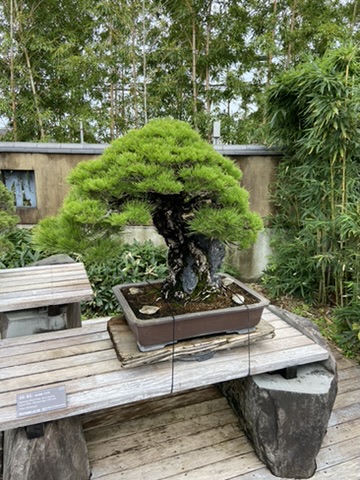
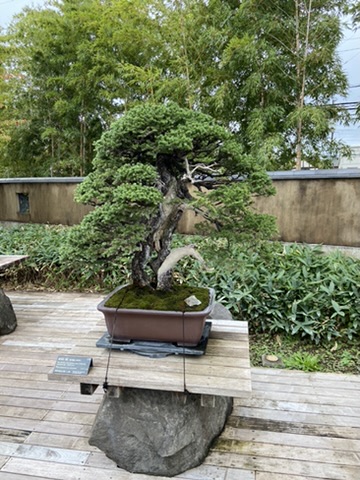
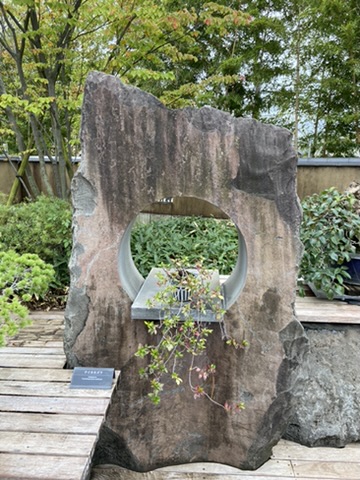
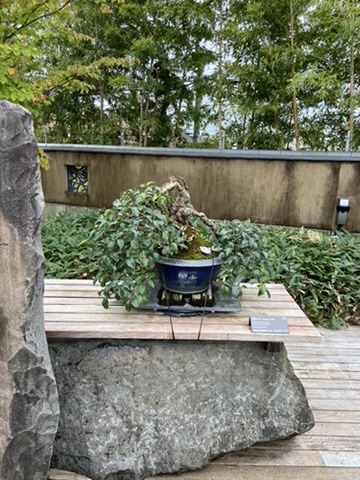
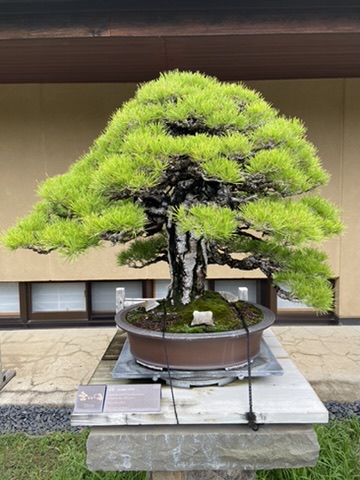
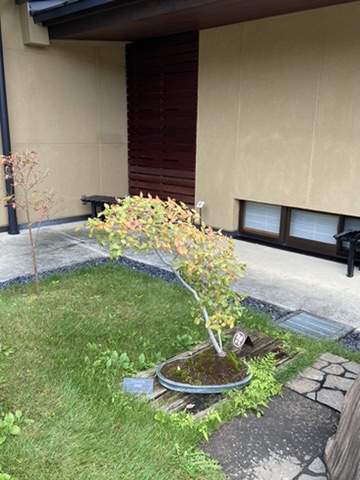
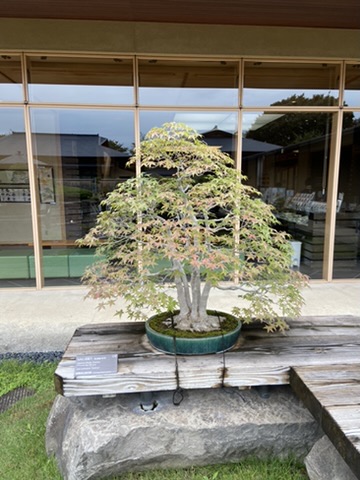
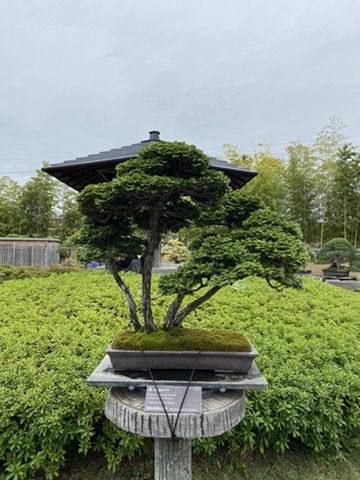
The trees that stayed with me most were the ones I was not allowed to photograph. In 2024 cameras were not allowed at the main exhibits inside, so those I only looked at. Apparently that works better for my memory than a camera roll.
Since September 2026 the museum allows photos everywhere, with a few rules: no flash, no tripods or selfie sticks, and keep at least 30 cm away from the trees. Some special exhibits can still be excluded.
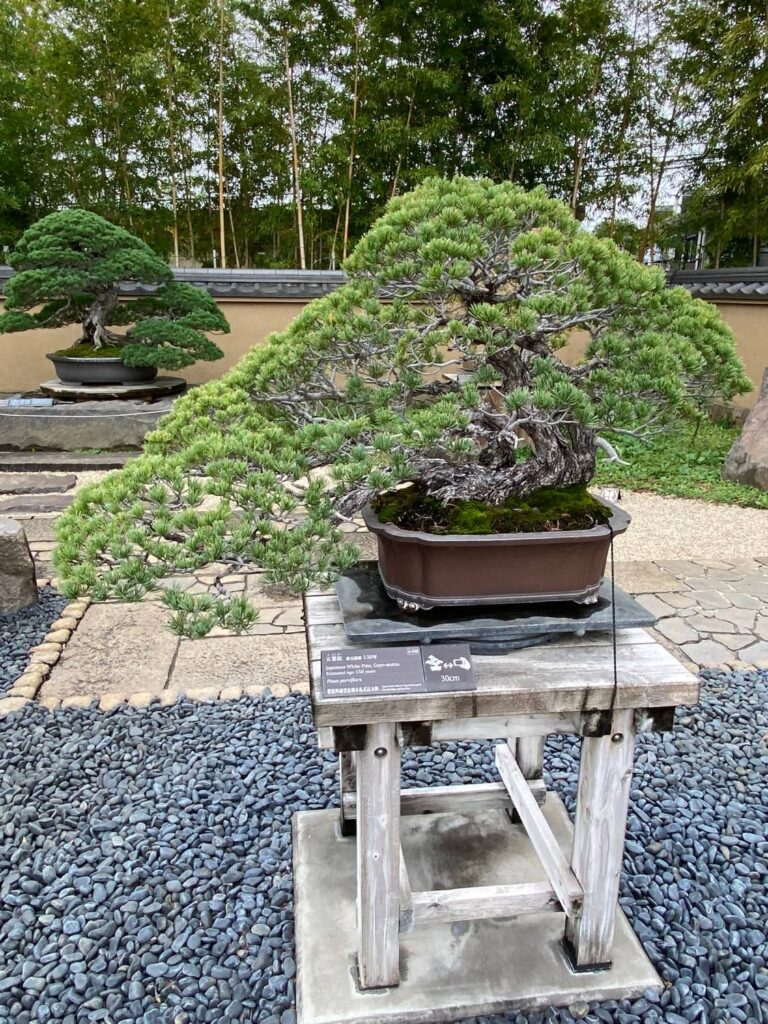
There is also an indoor gallery that explains the styles and the history, and a display room set up like a traditional tokonoma alcove, where a single tree is shown together with a scroll and a stone. Plan about an hour, more if you read everything.
Omiya Bonsai Art Museum at a glance
- Hours: 9:00 to 16:30 (March to October), 9:00 to 16:00 (November to February), last entry 30 minutes before closing
- Closed: Thursdays (open if a national holiday), December 29 to January 3, and some days for exhibition changes
- Admission: 310 yen for adults
Bonsai Gardens and Shops in Omiya
After the museum, the plan was to walk through the nurseries. That plan mostly failed. A lot of the gardens were closed that day, and I still do not know why.
Most nurseries close on Thursdays, but the museum was open, so it was not a Thursday. The nurseries are family businesses that grow and sell trees, and opening to visitors is a side thing for them. My best guess is that some owners were away or simply working. If you want to see the gardens, I would go early in the day and accept that not every gate will be open.
These are the names you will keep reading about:
- Kyuka-en: One of the oldest gardens still in the village, known for its role in developing bonsai tools. A good first stop if you are after tools.
- Seiko-en: Has a shop with many different pots and tools, and lots of trees to look at.
- Mansei-en: One of the most famous gardens. Bonsai fans often mention it for pots, tools and wire.
- Fuyo-en and Toju-en: Further gardens in the village. Toju-en is said to be open on some Thursdays when others are closed.
Please respect the rules at the gate. Most nurseries do not allow photos, and the trees are not to be touched. Ask before you take a picture, even outside.
How to Get to the Omiya Bonsai Village
Omiya is in Saitama City, about 30 to 40 minutes from central Tokyo. You have two good options:
- JR Utsunomiya Line to Toro Station: Trains leave from Tokyo Station and Ueno. From the East Exit of Toro Station it is about 5 minutes on foot to the museum. This is the easiest route.
- Tobu Urban Park Line to Omiya-koen Station: Take any JR train to Omiya Station, change to the Tobu Urban Park Line and ride two stops. From there it is about 10 minutes on foot.
Both routes work with an IC card like Suica. Half a day is enough for the museum and a walk through the village. Just do not come on a Thursday.
Shunkaen Bonsai Museum in Tokyo
The Shunkaen Bonsai Museum is in Edogawa, in the far east of Tokyo, It is the private garden and museum of bonsai master Kunio Kobayashi, who has won the Prime Minister’s Award, Japan’s top bonsai prize, several times. It is much smaller than the museum in Omiya, and the reason I went was the class.
Shunkaen also trains apprentices, and some of them come from abroad. When I was there, one of them was Austrian. I could have done the whole class in German, which I found very funny. In the end we stuck to English.
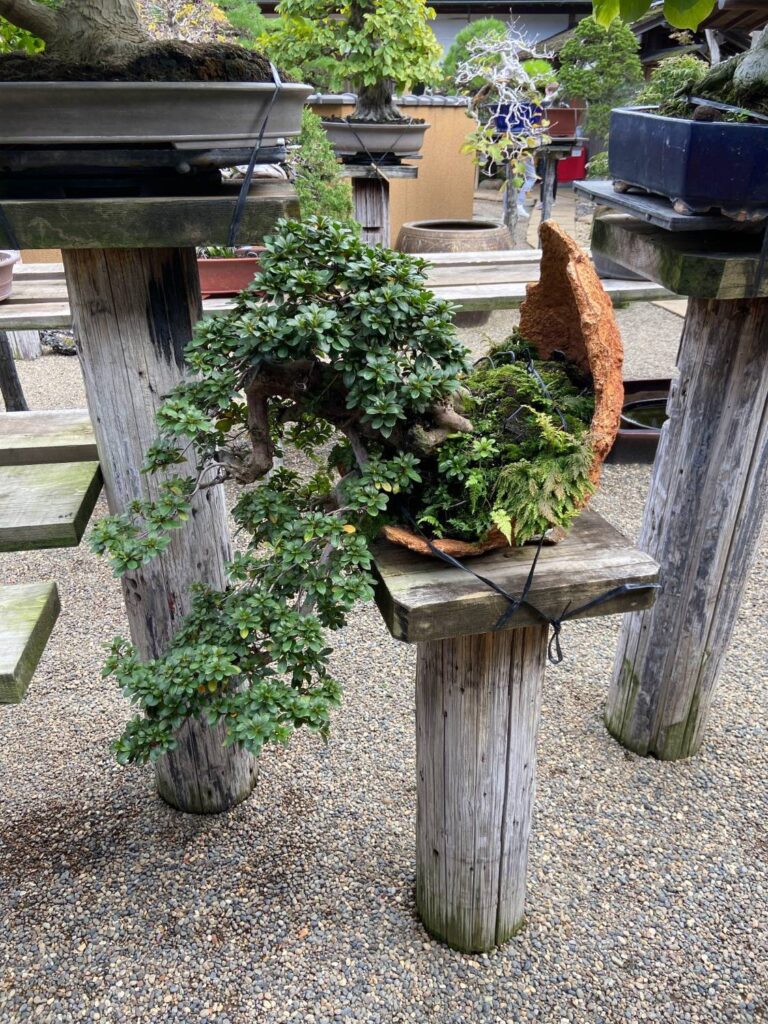
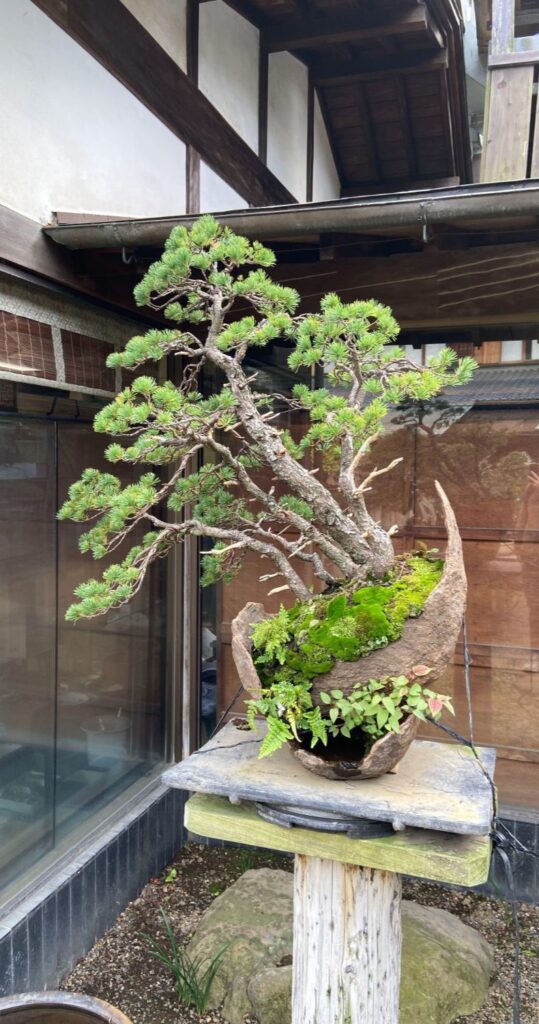
Shunkaen at a glance
- Hours: 10:00 to 17:00
- Closed: Mondays (open if a national holiday)
- Admission: 2,000 yen
- Getting there: Toei Shinjuku Line to Mizue Station, then Keisei Bus 76 for about 15 minutes to the Keiyoguchi stop and a short walk. Plan around an hour from Shinjuku.
My First Bonsai Class: A Japanese Juniper
I learned a lot in this bonsai class. I got a young Japanese juniper and just under an hour, and the apprentice walked me through three steps: the first cut, wiring the branches, and working on the bark.
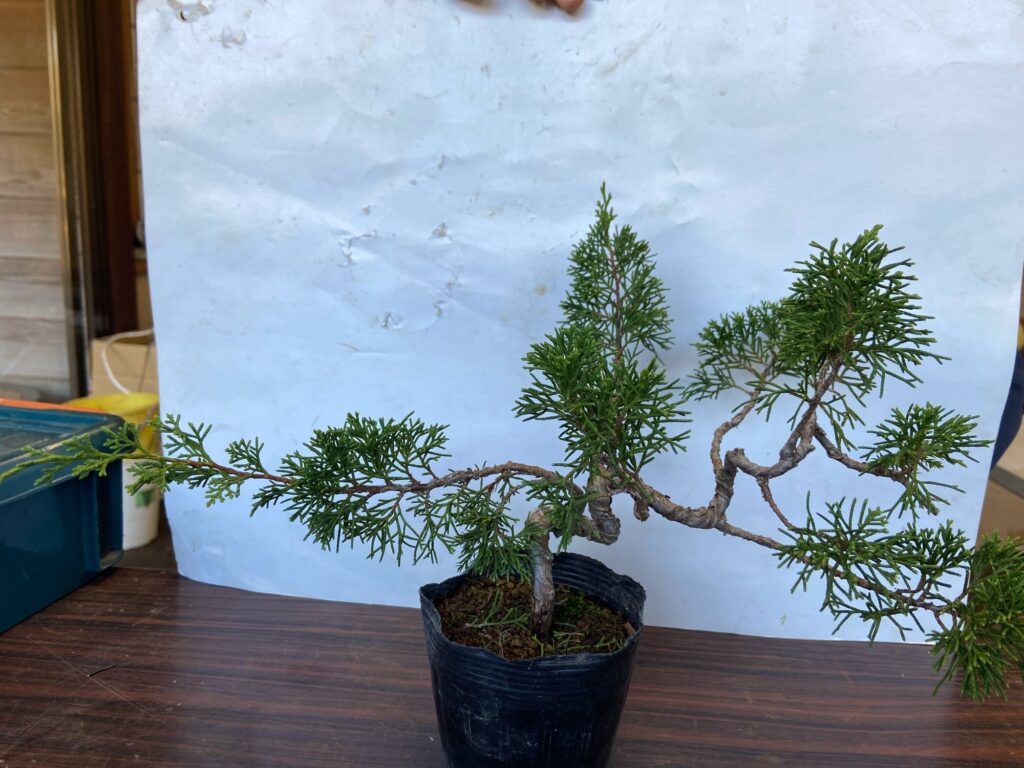
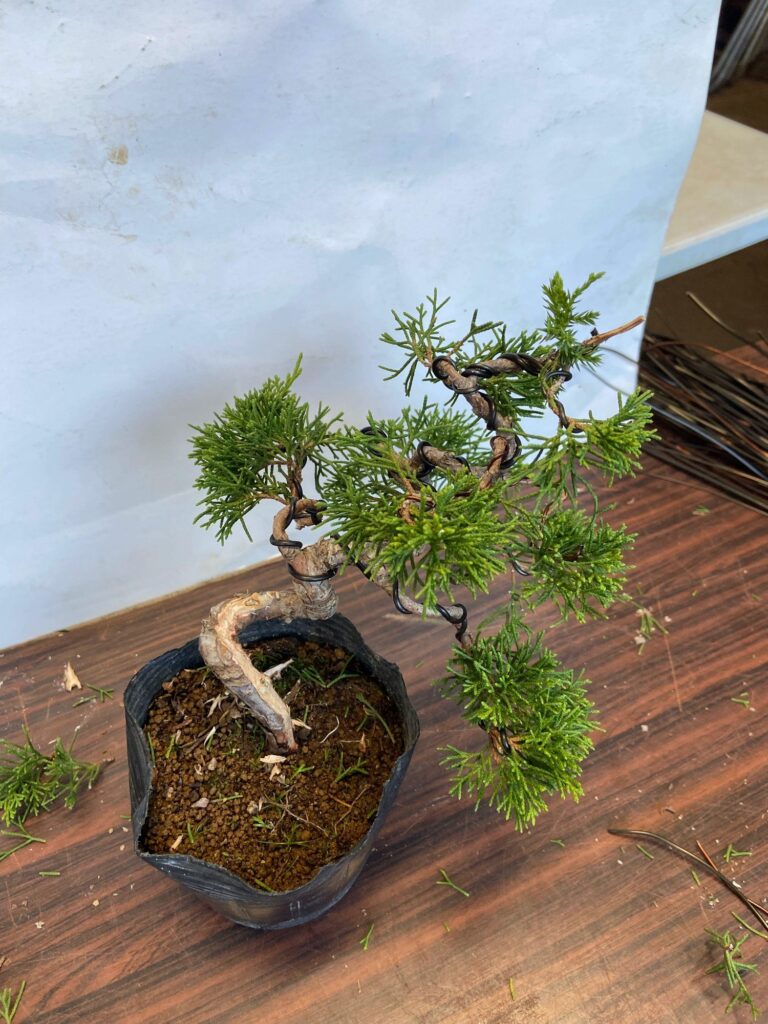
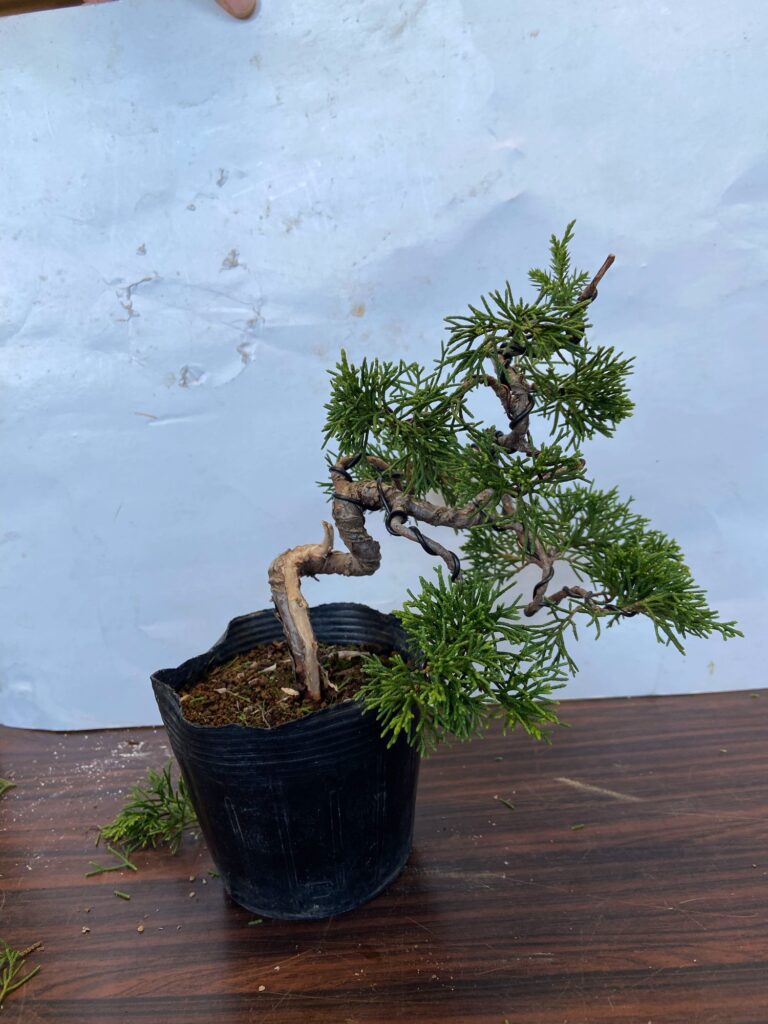
The first cut: You look at the tree from every side, decide where the front is, and then remove branches that will not grow back. On a tree that is not yours yet, in front of someone who does this for a living, that takes a moment.
Wiring: The wire wraps around the branch at an angle, not too tight and not too loose. Then you bend the branch slowly into the shape you want, so it does not crack. Later the wire comes off again, once the branch holds its new position.
Bark work: On junipers you strip away bark in places to create the white deadwood you see on old trees, called jin on branches and shari on the trunk. That is how a young tree starts to look old.
I was allowed to take my tree home. I left it at Shunkaen anyway, because a living plant is not something you take on a plane. Bringing plants into the EU needs a phytosanitary certificate, and junipers from outside Europe are not allowed in at all.
Classes run on Tuesdays, Thursdays and Saturdays at 10:00 and 14:00. They currently cost 8,000 yen including admission, paid in cash. You need to book at least three days in advance, by email via the Shunkaen website. I do not remember exactly what I paid in 2024, so please check the current price there.
Where to Buy Bonsai Tools in Japan
If you want Japanese bonsai tools, buying them in Japan is the obvious move. The nurseries in Omiya, especially Kyuka-en and Seiko-en, are the obvious place to start, and the May festival has the biggest choice.
My own scissors came from an ikebana supply shop. We were there because my travel partner wanted supplies for flower arranging, and I left with a pair of scissors I liked too much to put back. Ikebana and bonsai scissors are not the same thing, so if you want proper bonsai shears, the nurseries are the better place.
My second tip: look at flea markets. Used Japanese tools turn up there regularly, often for less than new ones. The big temple markets in Kyoto like Kobo-san and Tenjin-san even have whole bonsai stalls.
You will find dates and tips in my flea market Japan guide, and for the capital in my Tokyo flea market guide. Check the blades for rust and the joint for play before you buy.
One thing to keep in mind for the flight home: scissors and blades go into checked luggage, not your carry-on.
Bonsai in Japan: FAQ
Can I visit the Omiya Bonsai Village and Shunkaen on the same day?
Possible, but not relaxing. Omiya is north of Tokyo, Shunkaen far east, and you need around 1.5 hours between them. I would do them on separate days. Remember: Omiya is closed on Thursdays, Shunkaen on Mondays.
Do I need to speak Japanese for the bonsai class?
No. My class at Shunkaen was in English, and the apprentices are used to visitors from abroad.
Is the Omiya Bonsai Village worth it if I am not into bonsai?
If you only have a few days in Tokyo, maybe not. If you like gardens, crafts and quiet places, yes. If you go, these etiquette tips for temples are a good guide for how to behave in the gardens too: quiet, careful, and ask before you take photos.
When is the best time to visit?
Spring for azaleas and fresh green, autumn for red maples, and May 3 to 5 for the festival. Winter is quiet but shows the shape of the deciduous trees best.